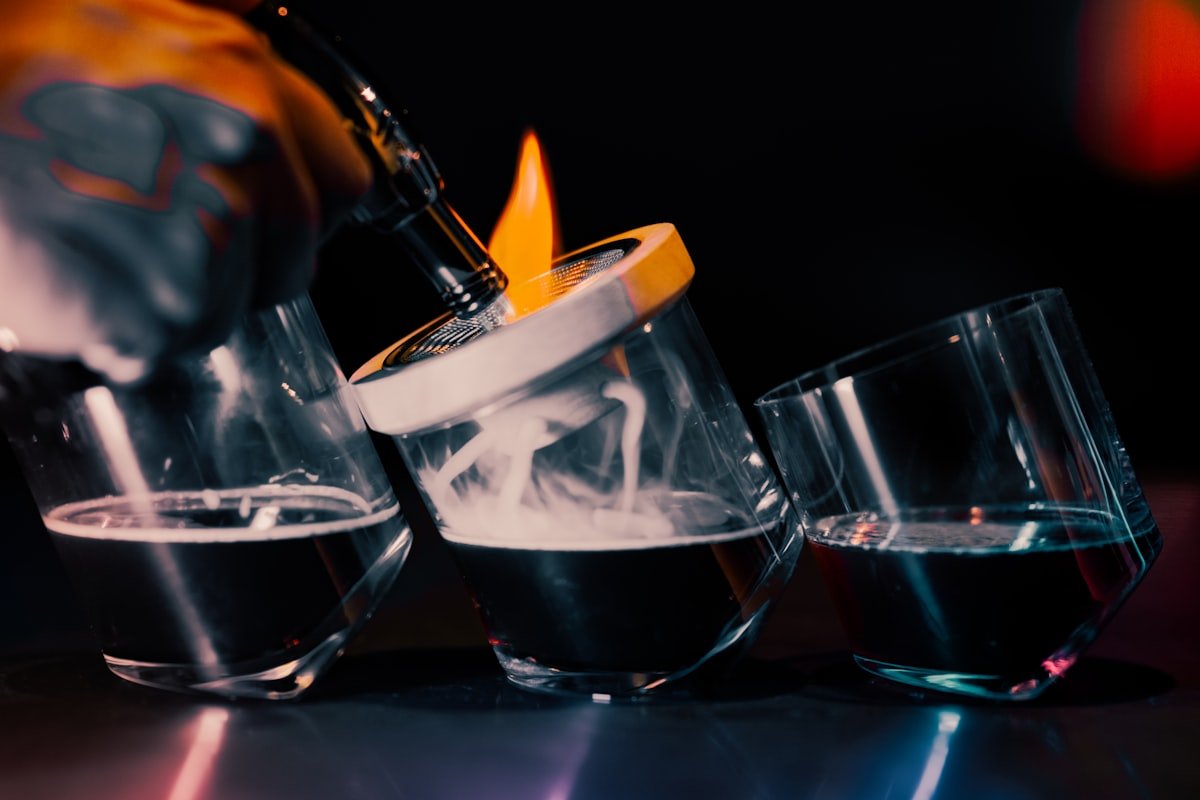
Making your own non-alcoholic spirit substitutes at home costs a fraction of what bottled zero-proof brands charge, and you can fine-tune every batch to your taste. A bottle of Seedlip or Lyre’s runs $25 to $35; a homemade substitute built on tea, spices, and citrus might cost you a couple of dollars. The process is also genuinely fun, somewhere between cooking and chemistry, and most recipes come together in under an hour. You probably already have half the ingredients in your pantry.
The basics
A spirit substitute tries to recreate the flavor, body, and aroma of a traditional spirit without any alcohol. The techniques are simpler than you’d expect. Most substitutes start with a liquid base, typically brewed tea or water, then layer in four categories of flavor: sweetness, acidity, bitterness, and aromatics.
Strong black tea or rooibos gives you tannins, that dry, slightly astringent mouthfeel that mimics the bite of alcohol. Sweeteners like maple syrup, molasses, or agave add body and depth. A squeeze of citrus or a splash of apple cider vinegar provides brightness. And then there’s the fun part: smoke and spice. A few drops of liquid smoke, a pinch of smoked paprika, or a spoonful of lapsang souchong tea can transform a flat syrup into something that genuinely recalls a barrel-aged spirit.
Once you understand this framework, you can mix and match to approximate just about any spirit on the shelf. The key is tasting as you go and adjusting in small increments. Start with less sweetener and less smoke than you think you need; you can always add more.
Bourbon and whiskey
Bourbon substitutes are among the easiest to make at home because the flavor profile is so recognizable. You’re aiming for warmth, caramel sweetness, and a touch of oak. Start by brewing a strong cup of black tea for its tannin base, then stir in maple syrup and a small amount of vanilla extract. A few drops of liquid smoke round things out. The result works well in an Old Fashioned or a Hot Toddy, and it holds up when mixed with ginger ale for a simple highball. For five specific recipes you can try this weekend, check out our DIY bourbon substitute recipes.
Gin
Gin is all about botanicals, and that makes it one of the most creative spirits to replicate at home. Juniper berries are the essential starting point. Steep them in hot water along with fresh rosemary, a strip of lemon peel, and maybe some coriander seeds. Let the infusion cool, strain it, and you’ve got something that pairs beautifully with tonic water. You can push the recipe in different directions by swapping herbs: lavender for a floral gin, cucumber and basil for something lighter, or black pepper and cardamom for more bite. We’ve written a full guide on how to make gin substitutes at home if you want to go deeper.
Tequila
A good tequila substitute leans on agave syrup for sweetness (a natural fit, since tequila comes from agave) and fresh lime juice for that citrus punch. The tricky part is replicating tequila’s earthy, slightly peppery character. A pinch of smoked paprika or chipotle powder does the job nicely. Some recipes call for charred pineapple juice, which adds both smokiness and a fruity sweetness that works especially well in a zero-proof margarita or paloma. If you want the warm, aged character of a reposado, try adding a tiny amount of liquid smoke and letting the mixture sit overnight in the fridge. For more detailed recipes, see our homemade tequila substitutes guide.
Mezcal
Mezcal is tequila’s smokier cousin, and smoke is the defining flavor you need to nail. Start with a base of lapsang souchong tea, which brings deep smokiness from its pine-fire drying process. Add agave syrup for sweetness and a squeeze of lime for brightness. A couple drops of liquid smoke amplify the char. For more earthy depth, try adding a pinch of chipotle powder or a splash of charred pineapple juice. The result works beautifully in a Paloma or an Oaxaca Old Fashioned. We cover several variations in our homemade mezcal substitutes post.
Cognac
Cognac is grape-based, aged in oak, and warmer and more refined than bourbon. The easiest homemade cognac substitute starts with Concord grape juice as the base, since cognac is distilled from grapes. Steep black tea in the juice for tannins, then add vanilla extract, a cinnamon stick, and a touch of honey. A few drops of apple cider vinegar provide the dry finish. The result is fruity, warm, and complex enough for a non-alcoholic Sidecar or French 75. Our homemade cognac substitutes post has several recipes to try.
Rye whiskey
If you’ve made bourbon substitutes, rye is a natural next step, but the flavor profile is noticeably different. Rye whiskey is spicier, drier, and more peppery than bourbon. Where bourbon leans on caramel sweetness, rye brings black pepper, caraway, and a bold bite. Start with strong black tea, add a smaller amount of maple syrup than you would for bourbon, then stir in cracked black pepper, a pinch of caraway seeds, and some orange zest. The result has the edge that classic rye cocktails like the Manhattan and Sazerac demand. Our homemade rye whiskey substitutes guide covers several approaches.
Vodka
Vodka substitutes are the most counterintuitive to make because vodka’s whole point is neutrality. You’re not replicating a flavor so much as replicating a presence: the slight burn, the body, the way a spirit makes a cocktail feel like more than just juice. A simple approach is mixing water with a splash of white vinegar and a pinch of salt. The vinegar adds bite, and the salt provides body. For more complexity, steep fresh ginger in water for a gentle heat. Either way, the goal is subtlety. Our homemade vodka substitutes post walks through several methods.
Rum
Rum’s signature flavor comes from molasses and warm baking spices, so a homemade substitute starts there. Dissolve a small amount of molasses in warm water, add vanilla extract, then season with cinnamon, nutmeg, and a pinch of allspice. Dark rum substitutes benefit from more molasses and a heavier hand with the spices, while lighter versions can use coconut water as the base for a tropical feel. Try it in a virgin mojito, a pineapple rum punch, or even a warm buttered rum on a cold night. The spiced version is particularly forgiving; it tastes great even if your proportions aren’t exact. Our homemade rum substitutes post walks through several variations in detail.
Vermouth
Vermouth substitutes are less common but just as useful, especially if you want to make non-alcoholic Manhattans or Negronis. Herbal tea is the best starting point here. Steep chamomile or thyme in hot water and add orange peel for a bitter edge. For sweet vermouth, stir in a bit of honey and a splash of pomegranate or cranberry juice to get that dark, fruity richness. For dry vermouth, skip the sweetener and add a touch of apple cider vinegar instead. The result won’t fool a sommelier, but it brings the herbal complexity a good mocktail needs. Vermouth substitutes also store well in the fridge for up to a week, so you can make a batch and use it across multiple drinks.
Ready-made alternatives
If the DIY approach isn’t for you, or you want a polished product to keep on the bar cart alongside your homemade batches, there are plenty of excellent bottled options worth trying. Brands like Lyre’s, Ritual Zero Proof, and Seedlip each have their own strengths, and the market keeps growing. Our guide to the best non-alcoholic substitutes for popular alcohols covers the top picks for every spirit category. You can also browse our recipe collection to find mocktails that put both homemade and store-bought substitutes to good use.
Beyond drinks
Spirit substitutes aren’t limited to the glass. A bourbon substitute makes a great base for a caramelized glaze on roasted vegetables or grilled meat. Rum alternatives add depth to barbecue sauces and work surprisingly well drizzled over vanilla ice cream. A vermouth substitute simmered with garlic and herbs becomes a quick pan sauce for chicken or fish. Anywhere a recipe calls for a splash of spirits to deglaze a pan or build a sauce, your homemade substitute can step in. If you’ve made a batch and have some left over, the kitchen is a good place to use it up before it loses its freshness.